
Table of Contents
Introduction
In today’s digital world, strange-looking terms like 10.24.1.71tms often confuse users, especially when they appear in logs, dashboards, or internal systems. At first glance, it may look like a website, a server address, or even a software tool. However, understanding what it truly represents requires knowledge of networking, IP addressing, and enterprise systems.
This detailed guide explains everything about 10.24.1.71tms in India, including its meaning, technical background, uses, benefits, and limitations. The article is structured with 70% explanatory paragraphs and 30% tables for clarity, making it useful for students, IT beginners, and professionals.
What is 10.24.1.71tms?
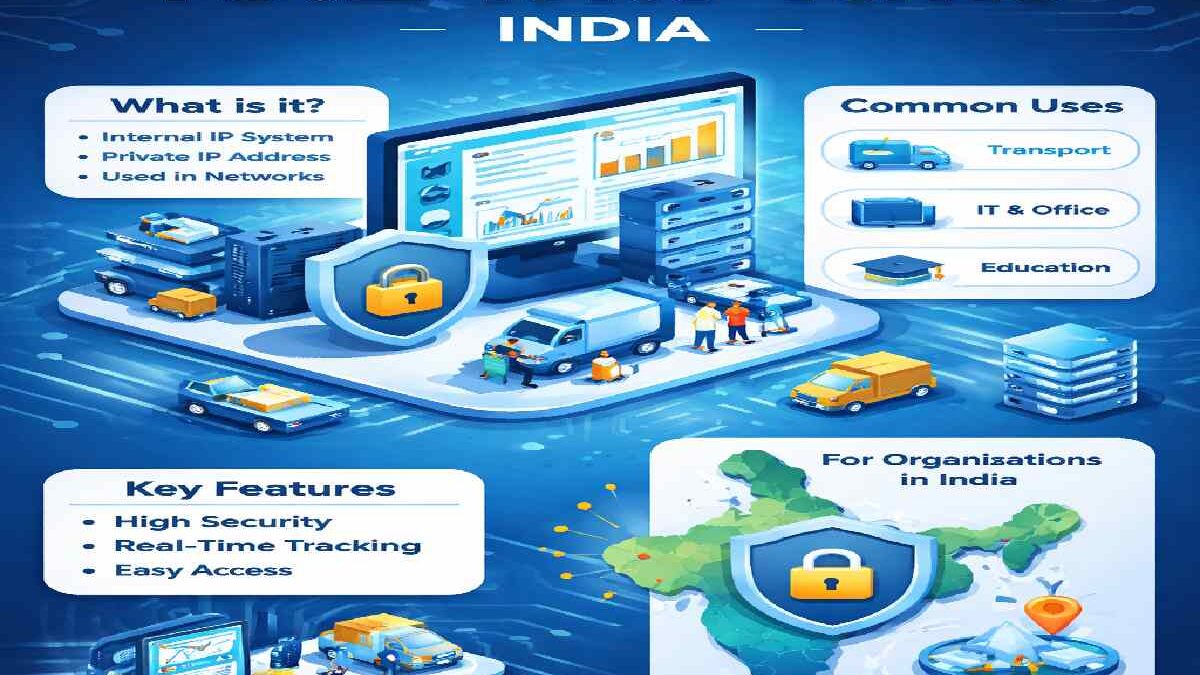
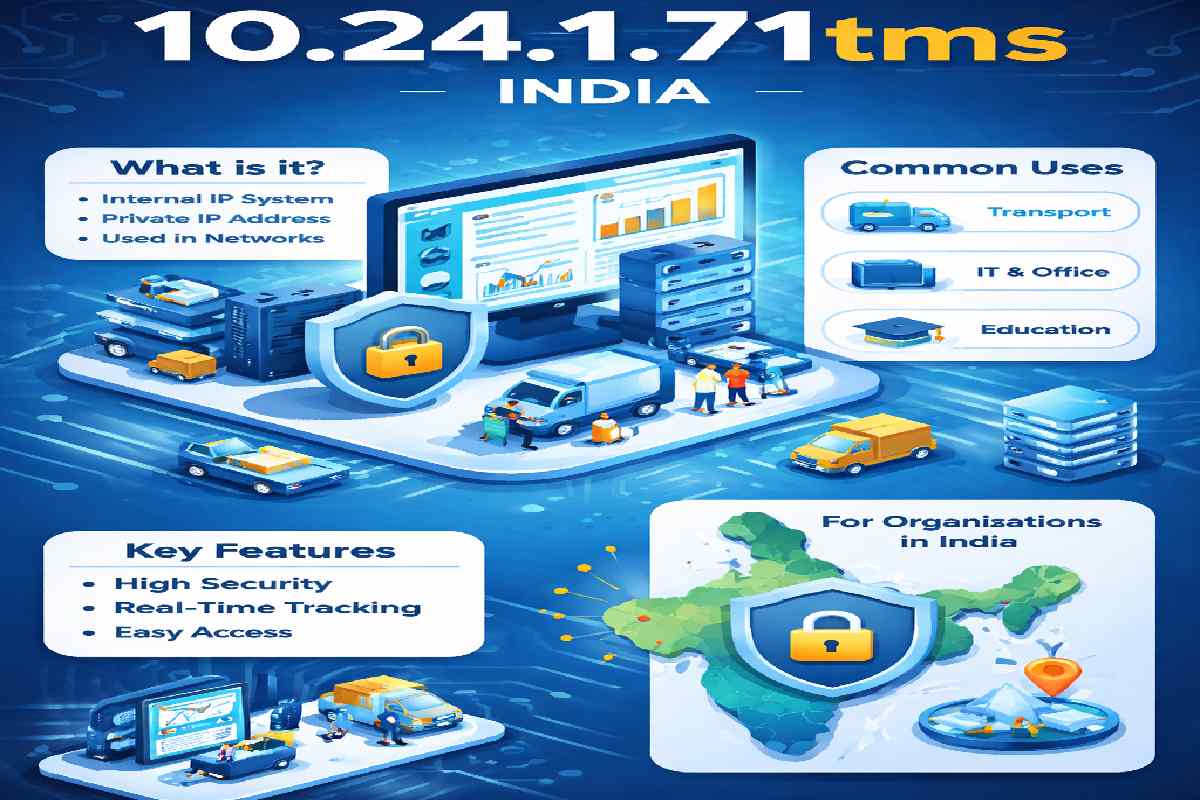
The term 10.24.1.71tms is typically a combination of a private IP address and a system identifier (TMS). It is not a public website or globally accessible server.
- 10.24.1.71 → A private IP address
- TMS → Usually stands for Transport Management System, Task Management System, or Terminal Management System
Private IP addresses belong to reserved ranges used within internal networks, not the internet. According to networking standards, IP ranges like 10.0.0.0 – 10.255.255.255 are reserved for internal use.
Key Insight:
This means 10.24.1.71tms is most likely an internal system used within an organization in India, such as a company network, school system, or logistics platform.
Understanding Private IP Addresses
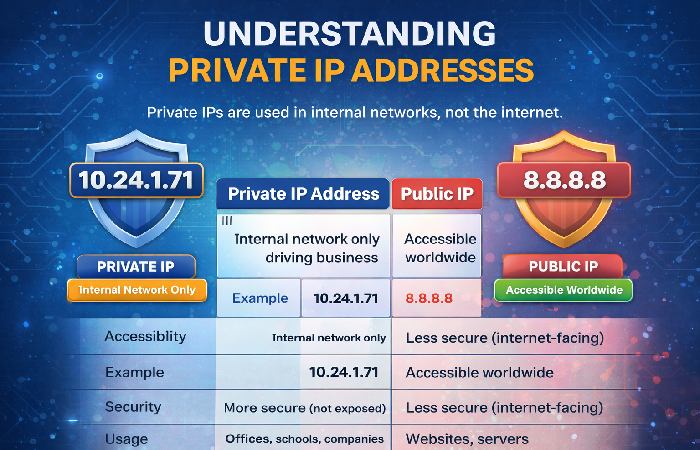
To understand 10.24.1.71tms properly, you must first understand private IP addressing.
| Feature | Private IP Address | Public IP Address |
| Accessibility | Internal network only | Accessible worldwide |
| Example | 10.24.1.71 | 8.8.8.8 |
| Security | More secure (not exposed) | Less secure (internet-facing) |
| Usage | Offices, schools, companies | Websites, servers |
Private IP addresses like 10.24.1.71 are also called bogon or reserved addresses, meaning they should not appear on the public internet.
What Does “TMS” Mean?
The “TMS” part adds functional meaning to the IP address. Depending on the industry, it can stand for different systems.
Common Meanings of TMS
| TMS Type | Full Form | Usage |
| Transport Management System | Logistics & delivery | Shipment tracking |
| Task Management System | Corporate offices | Workflow tracking |
| Terminal Management System | IT networks | Server/device control |
| Training Management System | Education | Course management |
In India, the most common usage is Transport Management System, especially in logistics companies.
How 10.24.1.71tms Works
10.24.1.71tms usually acts as an internal access point within an organization’s network.
Working Process
- User connects to company network (Wi-Fi/LAN)
- Enters 10.24.1.71tms in browser or system
- System routes request internally
- Dashboard or application opens
This type of system helps businesses centralize operations and improve efficiency.
Key Features of 10.24.1.71tms
Organizations use such systems because they offer powerful features.
| Feature | Description |
| Internal Access | Works only within private network |
| High Security | Not exposed to public internet |
| Multi-device Support | Accessible via computers & internal servers |
| Real-time Data | Instant updates and tracking |
| User-friendly Interface | Easy navigation for employees |
According to technical explanations, such systems focus on security, compatibility, and ease of use.
Applications in India
In India, systems like 10.24.1.71tms are widely used across industries.
| Industry | Application |
| Logistics | Shipment tracking |
| Manufacturing | Machine monitoring |
| Education | Internal portals |
| IT Companies | Task & workflow management |
| Government Offices | Data systems |
Example:
- A logistics company in India may use it to track delivery trucks.
- A school may use it for internal student management.
Benefits of Using 10.24.1.71tms
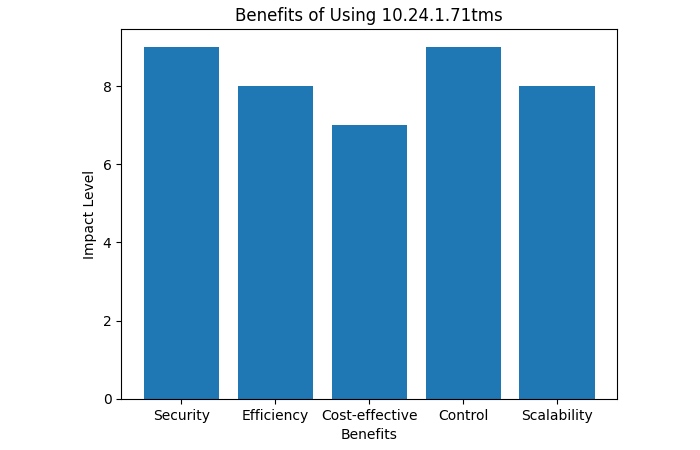
Using such systems provides multiple advantages.
| Benefit | Explanation |
| Security | Private network reduces hacking risk |
| Efficiency | Automates workflows |
| Cost-effective | No need for public hosting |
| Control | Full internal management |
| Scalability | Can expand with business needs |
These systems help organizations improve productivity and operational efficiency.
Limitations and Challenges
Despite benefits, there are some limitations.
| Challenge | Description |
| Limited Access | Cannot be accessed outside network |
| Setup Cost | Initial infrastructure may be expensive |
| Learning Curve | Requires training for staff |
| Dependency on Network | Stops working without internet/LAN |
Security Aspects
Security is a major reason why private systems like 10.24.1.71tms are used.
| Security Feature | Purpose |
| Firewall Protection | Blocks unauthorized access |
| Encryption | Protects data |
| Access Control | User login permissions |
| Monitoring | Tracks system activity |
Since the IP is private, it reduces exposure to cyber threats.
Comparison with Public Systems
| Feature | 10.24.1.71tms (Private) | Cloud Systems |
| Access | Internal only | Global |
| Security | High | Medium |
| Cost | Low long-term | Subscription-based |
| Flexibility | Limited | High |
| Maintenance | Self-managed | Provider-managed |
Future Trends in India
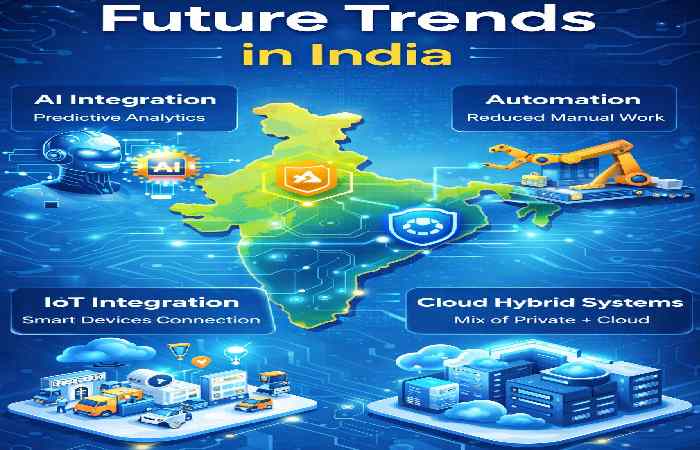
The future of systems like 10.24.1.71tms looks promising.
| Trend | Impact |
| AI Integration | Predictive analytics |
| Automation | Reduced manual work |
| IoT Integration | Smart devices connection |
| Cloud Hybrid Systems | Mix of private + cloud |
Experts suggest such systems will become smarter and more automated in the coming years.
Is 10.24.1.71tms a Website?
No, 10.24.1.71tms is NOT a public website.
Explanation:
- It does not work on normal internet
- Only works inside specific networks
- Requires permission/access
Conclusion
The keyword 10.24.1.71tms India refers to a private internal system combining an IP address and a management platform. It is widely used in organizations for secure, efficient, and centralized operations.
Instead of being a public website, it is a powerful backend tool used in industries like logistics, IT, and education. Its importance is growing in India due to increasing digital transformation and the need for secure internal systems.
FAQs
1. Can I access 10.24.1.71tms from home?
No, unless you are connected to the organization’s network.
2. Is it dangerous?
No, it is safe. It is a private system.
3. Why does it show an error?
Because you are outside the network.
4. Is it used in India?
Yes, many companies and institutions in India use such systems.
