
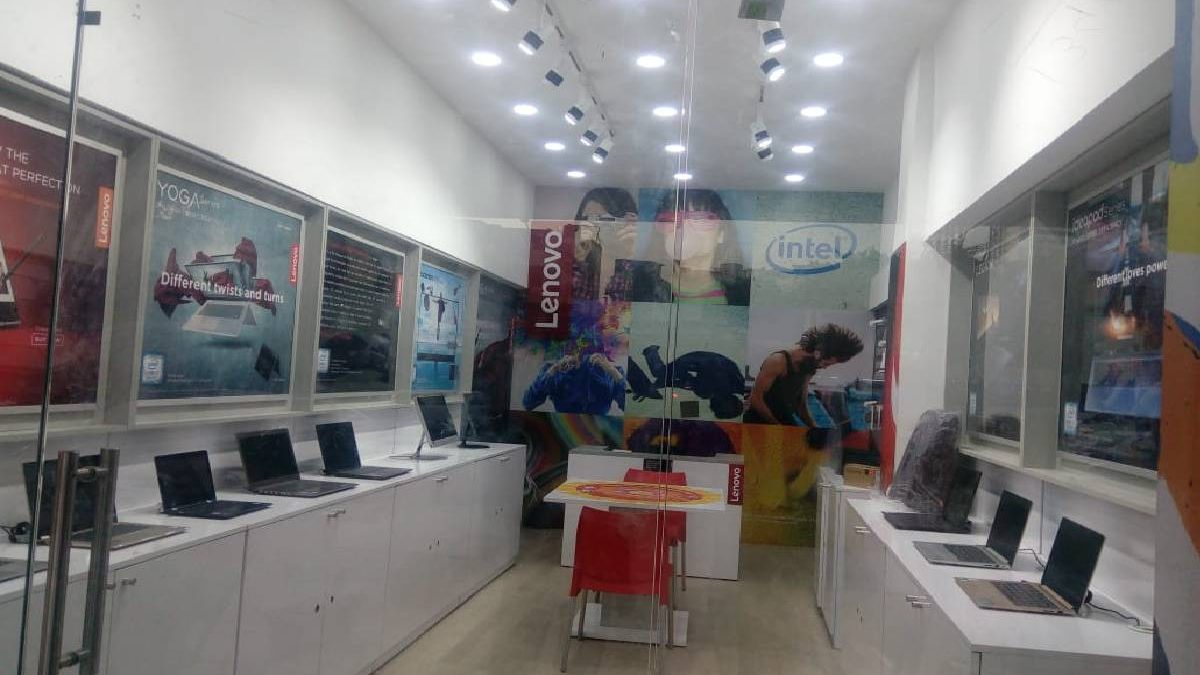
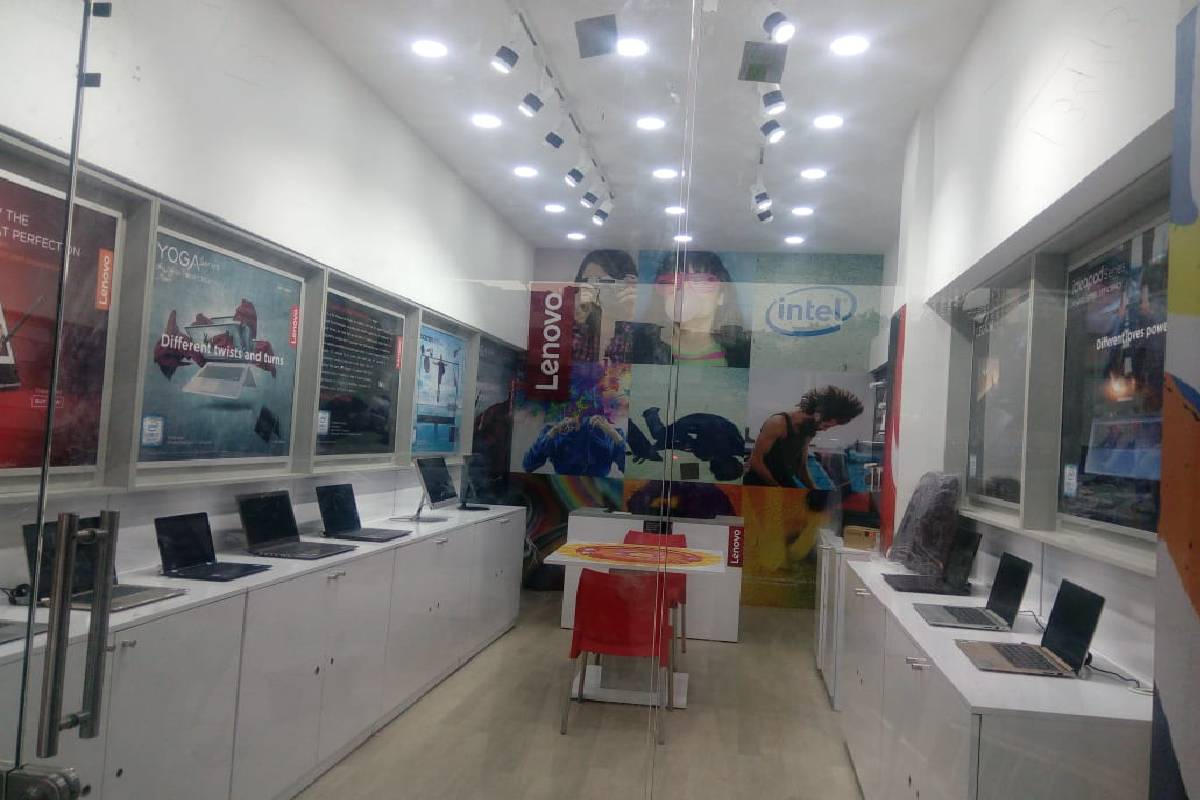
Lenovo, one of the world’s leading technology brands, has been steadily build up its offline retail network by Lenovo Exclusive Stores. These company-owned outlets play a key role in extend new customers, hands-on product experiences, after-sales service access, and reinforcing Lenovo’s physical brand presence at a time when online shopping dominates the market.
Table of Contents
What Are Lenovo Exclusive Stores ?
Lenovo Exclusive Stores are dedicated retail spaces that only Lenovo products and services. Unlike multi-brand electronics stores, LES outlets are designed to provide a focused and immersive Lenovo experience. Customers can explore the complete Lenovo ecosystem under one roof, including laptops, desktops, gaming devices such as section and LOQ, accessories, AI-powered computing solutions, and official service support.
These outlets allow customers to:
- Interact physically with devices before buying
- Access product demos, hands-on experiences, and expert guidance
- Receive direct support and service assistance
- Participate in exclusive in-store promotions and launches
LES outlets are part of Lenovo’s strategy to bridge the gap between online commerce and physical retail, ensuring customers have both convenience and a tactile experience before purchase.
Lenovo Exclusive Store Rollout: Timeline & Growth
Below is a snapshot overview of how Lenovo has expanded its LES footprint:
| Year | Approx. Exclusive Store Count | Major Initiative |
| Pre-2023 | ~100+ stores (pilot phase) | Initial retail expansion across major cities globally |
| 2023 | First hybrid LES in Pune, India | Integration of lifestyle + gaming experiences |
| 2024 | Second LES in Trichy, India | Enhanced in-store promotions & student-friendly offers |
| 2025 | 25+ new LES across North & East India | Broader tier-2/3 market focus |
| 2026 (YTD) | Expansion plans continue | Aligned with AI device rollouts & immersive experiences |
Note: Exact total global store count evolves rapidly as Lenovo continues physical footprint expansion in key markets like India, Southeast Asia, Europe, and the Middle East.
Geographical Focus: Where LES Are Growing Fast
India — Strategic Retail Expansion in Emerging Regions
Lenovo’s LES expansion in India has been particularly robust, especially in:
- North & East India: Uttar Pradesh, Rajasthan, Bihar, West Bengal, Jharkhand, Haryana, etc.
- Tier-2 & Tier-3 Markets: This reflects Lenovo’s strategy to tap into growing tech demand outside metropolitan areas.
Why India?
The Indian market presents:
- High youth population seeking personal computing devices
- Rapid adoption of AI-enabled PCs and gaming laptops
- A growing middle class with disposable income for tech products
Through LES, Lenovo gives these customers hands-on access, addressing the traditional challenge of online-only sales where customers cannot physically test devices.
Physical Retail vs Online Presence: Why LES Still Matter
In the modern retail ecosystem, online stores dominate. However, Lenovo Exclusive Stores provide unique advantages:
- Tangible Product Interaction – Customers can test hardware features, performance, and ergonomics.
- Expert Guidance – On-site staff give personalized product demonstrations and help fine-tune configurations.
- After-Sales Service – Easier access to warranty support and rapid troubleshooting.
- Exclusive Offers & Launch Events – Early access to new products and in-store promotional pricing.
The mix of online convenience and offline trust helps Lenovo capture both digital and traditional consumer segments.
Cost Aspects and Investment Considerations
Lenovo Exclusive Store Operational Costs
Running an LES involves several cost components:
| Cost Type | Details |
| Retail Space Rent & Lease | Varies by city & country; higher in metros |
| Store Build-out & Display Infrastructure | High upfront investment for interactive demos |
| Staffing & Training | Store experts, sales reps, technical support |
| Inventory & Logistics | Stocking multiple device categories requires significant capital |
| Promotional Costs | In-store events, launch campaigns, and seasonal discounts |
Average Setup Cost (Indicative):
Setting up a single LES in a Tier-2 Indian city may range from ₹15 lakh to ₹50 lakh+ (India rupees), depending on store size and display complexity, whereas in larger markets (e.g., Europe or urban USA) these costs can scale significantly due to real estate. (Industry estimate — varies by market)
Consumer Pricing Differences
Purchasing offline via LES versus online sometimes yields:
| Channel | Typical Consumer Advantage |
| Exclusive Store | Demo experience, bundled services, trade-in options |
| Online Store | Often lower sticker price due to reduced overheads |
Consumers may find discounts and coupon combos online, but LES counters this by offering value-added services. For instance, stores often have student promotions or combo accessories at bundled pricing (e.g., headphone + warranty combo).
Lenovo LES Adoption Trends: Store Openings (2023–2026)
Number of LES
60 ┤
50 ┤ • 2026 YTD (planned)
40 ┤
30 ┤ • 2025 (25+ in key regions)
20 ┤
10 ┤ • 2023-24 incremental
0 ┼────────────────────────────────
2023 2024 2025 2026
Trend Insight: Offline presence has been steadily expanding with acceleration in 2025 and early 2026 aligned with product launches and AI-focused device rollouts.
Lenovo Exclusive Store Impact in Tier-2 India
Lenovo LES Launch in North & East Indian Cities (2025)
Objective:
Assess the impact of LES outputs on brand engagement and sales in cities like Patna, Jaipur, Ranchi & Meerut after the 2025 store rollout.
Footfall & Sales Data
| City | Monthly Footfall | % Sales from Demo Purchases | Average Sale Value |
| Patna | 4,500 | 38% | ₹62,000 |
| Jaipur | 6,200 | 42% | ₹68,000 |
| Ranchi | 3,800 | 35% | ₹60,500 |
| Meerut | 5,100 | 40% | ₹64,200 |
Key Insights
- Footfall Growth: LES brought measurable customer visits offline in areas where tech engagement was limited.
- Demo Conversion: Nearly 40% of footfalls converted into purchases indicating high product interest.
- Average Ticket Value: ₹60,000+ suggests customers often bought laptops or premium accessories, not just entry-level items.
Customer Feedback
| Customer Sentiment | % Response | |
| Preferred LES for Hands-On Experience | 47% | |
| Bought after In-store Demo | 42% | |
| Valued Local Tech Support | 35% |
Case Study Takeaway:
LES succeeded in markets where online-only buying was not fully satisfying customer needs for evaluation and support — particularly for premium products like AI-powered laptops and gaming systems.
Lenovo Retail Updates in 2026
AI Device Integration & Showcasing
Lenovo’s 2026 product launches — including AI-enabled ThinkPad, IdeaPad, Yoga, and Legion devices — are directly tied to securing hands-on interaction in LES — something that’s crucial for complex, high-value tech purchases.
Advanced Display & Partner Tech
Partnerships like TCL CSOT collaboration to unveil next-gen displays reflect how LES will become spaces to showcase advanced technologies, not just sell products.
Premier Support & Lifecycle Services
Lenovo’s ongoing Premier Support expansions and services like TruScale Device as a Service are now often introduced and explained in person at stores — helping customers understand value beyond basic hardware.
Conclusion
Lenovo’s Exclusive Stores are more than retail outlets — they represent a strategic push to provide value-added experiences, personalized demos, local support, and direct customer interaction that enhances brand loyalty. As Lenovo rolls out new AI-integrated products in 2026 and beyond, LES will play a crucial role in educating buyers and converting interest into loyalty.
