

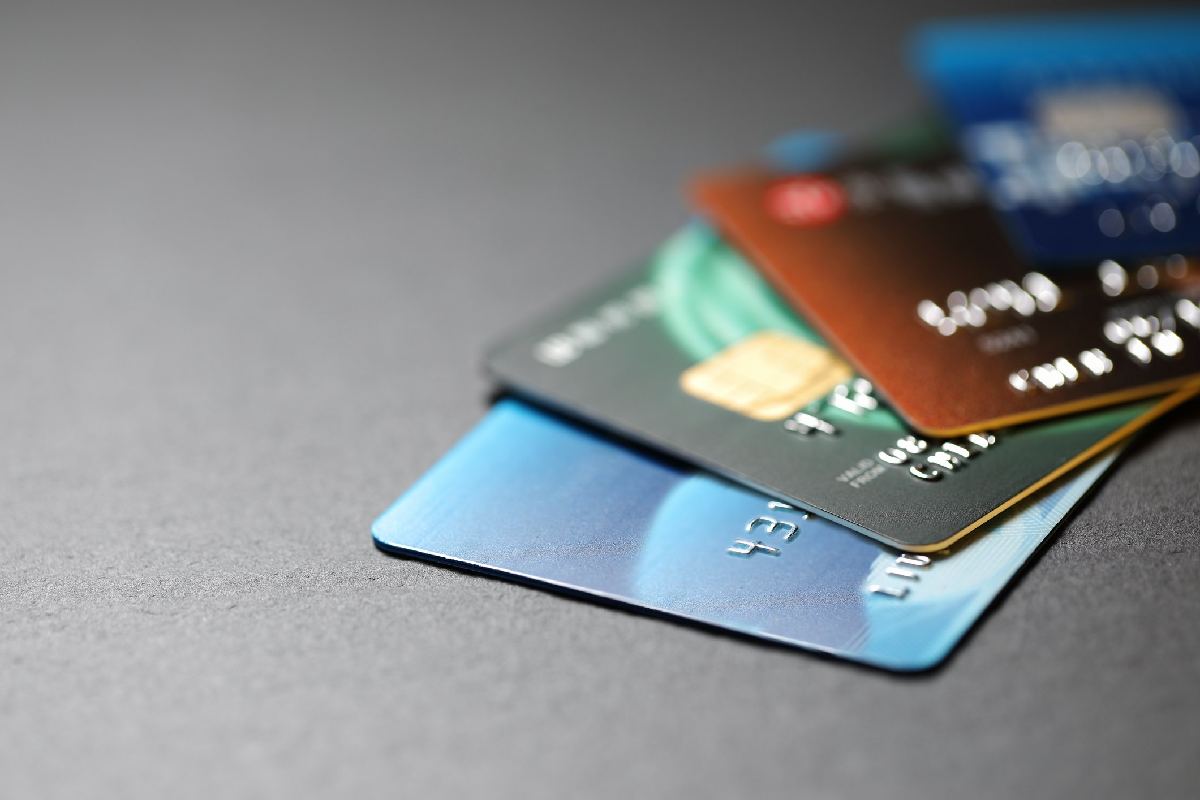
When choosing a credit card, the arrival of the credit card is not important, unlike factors such as APR, credit limit, penalties, and fees, which directly impact the cost and conditions of using.
Table of Contents
Explanation:
Several reflections are important when choosing a credit card, including the credit limit, annual proportion rate (APR), and any associated fines or fees. The annual proportion rate (APR), which typically choices from 12% to 18%, is what you pay for borrowing money on a credit card. If you have a balance, a high APR might growth your debt. Credit limits are crucial for financial planning since they dictate the maximum amount you may borrow. If you top your credit limit or skip a payment, penalties, and fees may mount up rapidly. But since it has no bearing on your money or credit conditions, the credit card’s look is not a critical consideration.
Choosing And Applying For A Credit Card
Hundreds of credit cards are available, so shop around to find the one that’s best for you.
Start by thinking about what you want to use your credit card for. It could be to buy things online or on vacation, pay your bills, or split the purchase cost. However you choose to use your card, the bottom line is whether you’ll pay what you owe each month or spread the repayments over some time.
If you can pay the balance in full and on time each month, you can take advantage of the interest-free period. In this case, the interest rate may not be that important, but you may want to consider cards that offer other incentives like cash back. Even if you think you can pay the balance in full every time, it’s worth planning what you’ll do if you can’t.
Credit Card Comparison Guide:
What to Check Before Choosing
| Comparison Factor | What It Means | Why It’s Important for You |
| Essential card information | A summary box showing interest-free period, interest rate, annual fees, and other charges | Helps you quickly understand the true cost of the credit card and compare multiple cards easily |
| Use of comparison sites | Online platforms that list and compare credit cards from different earners | Saves time and helps you find cards that match your needs, however some products may appear only on specific sites |
| Signing a credit contract | A legal agreement you sign after approval, detailing limits, payments, interest, fees, and responsibilities | Ensures you clearly know your rights, obligations, and total payment terms before using the card |
| Additional cardholders | Option to allow others to use your credit card under your account | You remain responsible for all spending, so setting usage rules helps avoid overspending or exceeding limits |
| Level of services needed | Deciding whether you need just a credit card or full banking services | Banks often provide broader support and customer service than standalone card companies |
| Your financial goals | Purpose of using the credit card, such as convenience, rewards, cash advances, or record keeping | Choosing a card aligned with your goals helps you maximize benefits and avoid unnecessary costs |
| All terms and conditions | Detailed rules, fees, penalties, and policies set by the bank or card issuer | Reading them carefully discloses hidden charges and shows whether the provider values long-term customer relationships |
Credit Limit and Spending Control
- Credit limit defines your spending boundary
The credit limit is the maximum amount you can use on your card. Staying within this limit helps you manage costs and avoid values.
- Higher limits can increase overspending risk
While a higher credit limit offers flexibility, it may inspire unnecessary purchases if spending is not checked carefully.
- Match the limit to your income
Choosing a credit limit that aligns with your monthly income makes payments easier and reduces financial strain.
- Control spending through regular tracking
Monitoring transactions through bank apps or once-a-month statements helps you stay aware of your spending habits.
- Timely repayments protect your finances
Paying dues on time prevents interest buildup and keeps your credit usage under control.
These points help readers understand how managing their credit limit intelligently leads to better financial permanency and control.
Conclusion
Since your payment history is the most important portion of your FICO score, making your payments on time can help you build a help credit history. Make sure your payment history and other credit-related aspects are in outstanding form by checking your free credit score and regularly confirming your free Experian credit report.
