
Table of Contents
Introduction
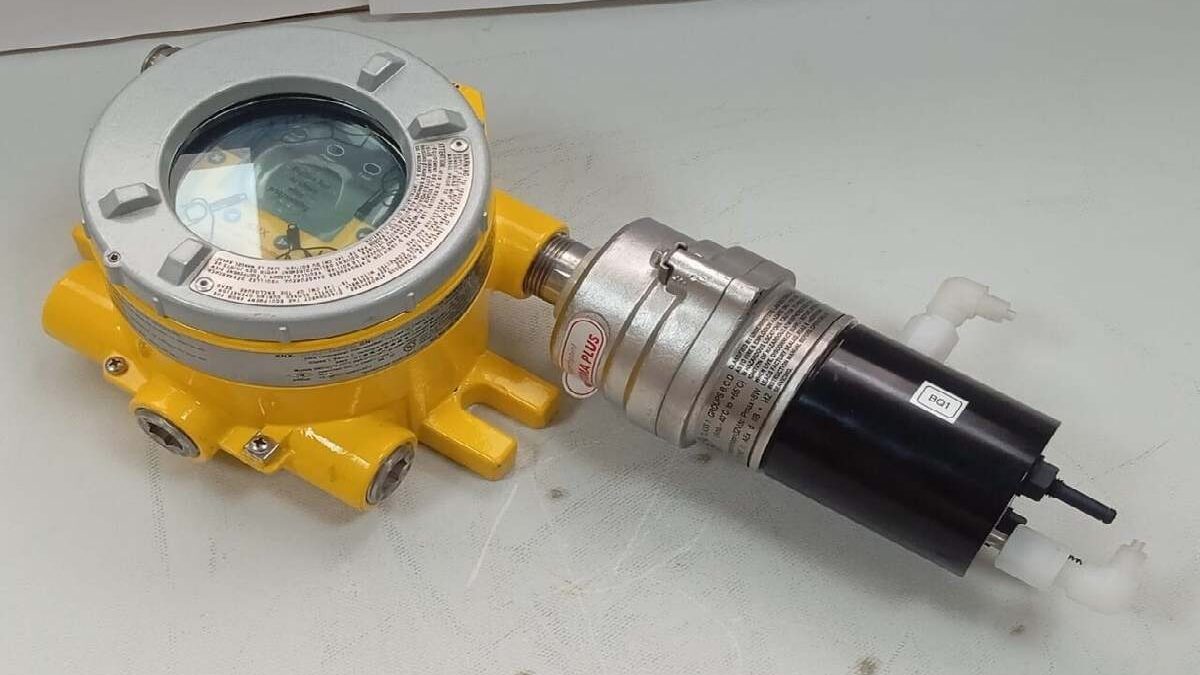
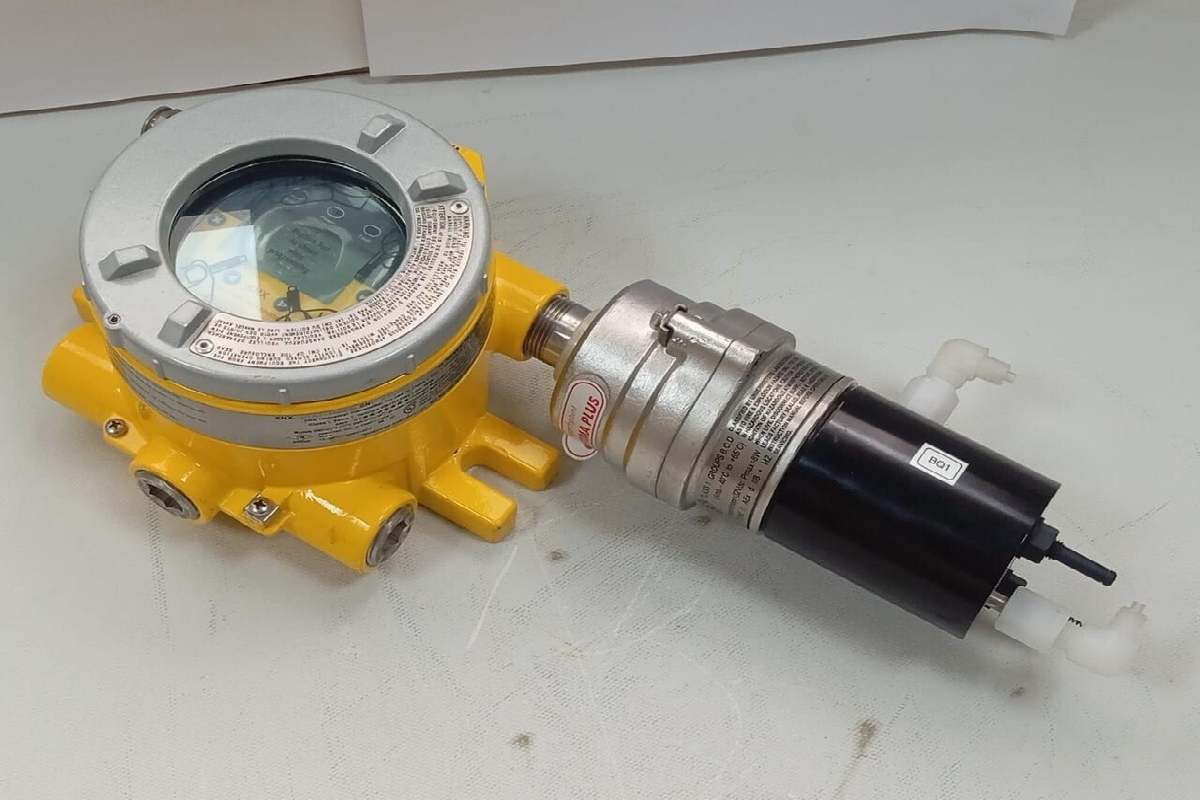
Industrial gas detection systems play a critical role in protecting workers, assets, and operations. The XNX Honeywell Analytics gas detector is widely used in oil & gas, chemical plants, power stations, and manufacturing units.
To ensure accurate gas readings, regular calibration using a proper calibration machine is essential.
This guide explains how XNX gas detector calibration works, why it matters, and how industries maintain compliance using Honeywell-approved calibration systems.
What Is XNX Honeywell Analytics?
The XNX Universal Transmitter by Honeywell Analytics is a flexible gas detection platform designed to support:
-
Toxic gases
-
Oxygen monitoring
-
Combustible gas detection
It supports multiple sensor technologies:
-
Electrochemical
-
Infrared (IR)
-
Catalytic bead (mV)
Its modular design allows easy sensor replacement and integration into industrial safety systems.
What Is Gas Detector Calibration?
Calibration is the process of adjusting a gas detector so that its readings match a known, certified gas concentration.
Without calibration:
-
Sensors may drift
-
False alarms may occur
-
Dangerous gas leaks can go undetected
Calibration ensures accuracy, reliability, and regulatory compliance.
Why Calibration Accuracy Matters in Industrial Safety
Accurate gas detection is essential for preventing explosions, toxic exposure, and oxygen deficiency incidents. Regular calibration of XNX Honeywell gas detectors ensures compliance with industrial safety standards and supports safe plant operations.
XNX Gas Detector Calibration Machine – Overview
A calibration machine/system typically includes:
| Component | Purpose |
|---|---|
| Calibration gas cylinder | Provides known gas concentration |
| Flow regulator | Controls gas flow rate |
| Calibration cap | Delivers gas to sensor |
| Tubing | Connects system |
| Control interface | Allows calibration commands |
Honeywell XNX systems support manual and automated calibration, depending on site requirements.
Step-by-Step XNX Calibration Process
Typical calibration workflow:
- Place detector in calibration mode
- Attach calibration cap to sensor
- Connect certified gas cylinder
- Apply gas at specified flow rate
- Allow sensor to stabilize
- Adjust readings if required
- Save calibration values
- Return detector to normal operation
Calibration frequency is usually every 3–6 months, depending on environment and regulations.
Manual vs Automated Calibration for XNX Systems
| Feature | Manual Calibration | Automated Calibration |
|---|---|---|
| Human involvement | Required | Minimal |
| Accuracy consistency | Depends on technician | High |
| Time required | Moderate | Fast |
| Error risk | Higher | Lower |
| Best for | Small installations | Large industrial plants |
User Experience and Ease of Use
Users find the calibration machine easy to operate. The display is clear. The controls are simple. The machine gives instructions during calibration. It reduces errors. It improves consistency.
Training users is easy. The machine uses clear markings. It also uses stable controls. It gives alerts when mistakes occur. This improves safety. It prevents improper calibration.
Industries prefer machines that save time. The calibration machine works quickly. It reduces downtime. It keeps production moving. This improves overall efficiency.
Industries Using XNX Calibration Systems
XNX Honeywell calibration machines are used in:
-
Oil & Gas refineries
-
Chemical & petrochemical plants
-
Power generation units
-
Manufacturing facilities
-
Offshore platforms
-
Industrial laboratories
Each industry requires accurate gas monitoring to meet safety and compliance standards.
Best Practices for Accurate Calibration
- Use only certified calibration gases
- Follow Honeywell-recommended flow rates
- Maintain calibration logs
- Replace sensors showing excessive drift
- Train personnel properly
- Avoid calibration in contaminated environments
Maintenance and Care of the Calibration Machine
The machine needs proper care. Users must keep it clean. They should avoid dust buildup. They must store it properly. Keeping it in a safe environment increases lifespan.
Gas cylinders used for calibration must be valid. Expired gas samples reduce accuracy. Users should check dates. They should use the correct gas concentration.
The machine should receive software updates. Updates improve performance. They also add support for new sensors. This makes the device future-ready.
FAQs
How often should XNX gas detectors be calibrated?
Most industrial standards recommend calibration every 3 to 6 months, or more frequently in harsh environments.
Can XNX Honeywell detectors be auto-calibrated?
Yes. XNX supports manual and automated calibration systems, depending on installation and accessories.
Is calibration mandatory for gas detectors?
Yes. Calibration is required for accuracy, worker safety, and regulatory compliance.
What happens if a gas detector is not calibrated?
Uncalibrated detectors may give false alarms or miss dangerous gas leaks, increasing risk.
Conclusion
The xnx honeywell analytics xnx gas detector calibration machine is a strong and reliable industrial tool. It is designed for safety. It ensures accurate gas readings. Its design helps users operate it easily. It also supports multiple sensors. This makes it suitable for many industries.
Reliable calibration protects workers. It protects equipment. It ensures smooth operations. Honeywell’s technology is trusted worldwide. The machine strengthens gas detection accuracy. It is essential for modern industrial safety systems. The xnx honeywell analytics xnx gas detector calibration machine stands as a dependable solution for long-term use and professional environments.
Disclaimer
This article is for general informational purposes only. Always follow manufacturer guidelines and local safety regulations for gas detector calibration.
